Growth Occurs Out of Change

The hardest decisions we make are the ones that can lead to the greatest growth.

Our family enjoys our Tower Gardens. We buy very little produce at the store now because of what we get off the towers. Lettuces, tomatoes, bell peppers, herbs, strawberries, and eggplant among many others. It all grows in large quantities when we pay a little attention to them.

pruning helps your garden be more fruitfulMaintenance of the garden somehow became primarily my realm. One of the things I have to do is trim back plants, calledpruning“. The idea is that you can help a plant become more fruitful by cutting back dead leaves and branches as well as areas where branches are growing out too much. When the plant doesn’t have to spend a lot of energy trying to maintain dead or overgrown branches, it can focus instead on flowering and growing it’s fruit.

The Struggle to Change

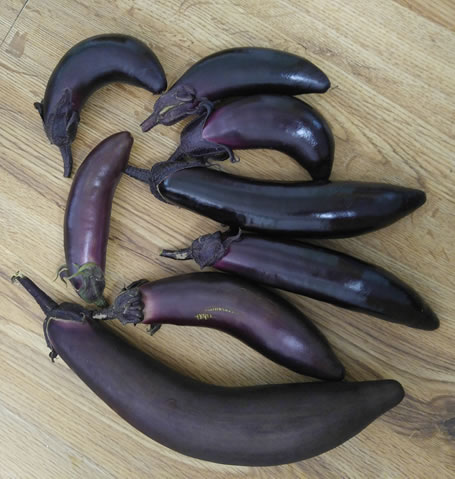
I have a hard time with pruning back, especially when the plant seems to be doing so well. Like my eggplant. LIttle buds all over the place that can potentially turn into eggplant. While I KNOW that pruning back is necessary to foster growth and make the remaining fruit better, I also deal with the hesitation of making the wrong choice and ruining the whole dynamic of the plant. I am afraid if I make the wrong choice that somehow I will kill the plant.

Realistically, I know the only way I could really do that would be to hack the thing down to nothing. But the hesitation is there anyway. Yet hidden among all the overgrowth is sometimes a lot of fruit waiting to develop.

Where is Growth Hiding for You?

Comfort and stability are the enemies of increasing our team productivity and growth. As our team becomes more familiar and settles into a system or process; things become more habit or rote. We no longer remember the core of who we are or what we are; we simply keep doing it because it looks good and feels good. We may be bearing some fruit but not as much as we could be or should be.

[tweetthis hidden_hashtags=”#BoldlyLead” display_mode=”box”]Comfort and stability are the enemies of increasing our team productivity.[/tweetthis]

As a leader we should spend more time looking for the indicators that we have gotten too comfortable. When productivity starts to level off, new ideas are not coming forward as often, and statements like “that’s not the way we do it.” pop up, it’s time to look at how things can change.

Pruning for Growth

This is time to break out those pruning shears and start to work. And guess where you are going to start?

Take a look at how you might be causing or contributing to the current situation. Are you engaged in any practices that you have comfortably settled in to? Are you hesitant to elicit or support change for fear of disturbing the status quo? Have you moved away from the open door to suggestions and ideas?

Prune back those areas within yourself to more readily see where things can be improved. The more you can see, the easier the pruning becomes for the rest of the process.

Keep in mind that when we talk about pruning back, we are almost never talking about pruning back people but rather what the people do. In fact, it’s usually the opposite; instead of looking at who we can do without we look for how we can have them provide more. How can we can the most out of the strengths of our team members? What do we need to change for that to happen?
eggplant from our tower gardenHidden Fruit

If you want to know the outcome of the eggplant pruning, I forced myself to do a little bit of cutting back on the overgrowth. Not a lot, just a little. Hidden behind all that overgrowth was some very hearty eggplant fruit. Who knew?

Where do you see the need for pruning back for yourself? How about for your team or organization?

Share your thoughts here or you can email me at psimkins@BoldlyLead.com

And How to Add Them to Your Toolbox

An plumber without the right tools can't be effective. A leader is the same.It is complicated and challenging being the leader. Especially a leader with a position of authority.

Demands are everywhere. Demands for more efficiency, more productivity. Do more with less. Keep everyone engaged. Reduce turnover. Make a profit. Get the reports in on time. Get more clients or customers. Answer emails. Hire good people. Get rid of unproductive employees. Fix problems.

It’s easy to get lost in all that. It’s also easy to forget what you were put there to do to begin with.

Your primary job, no matter your title, is to Boldly Lead your team.

What does it mean to Boldly Lead?

Boldly Lead logoTo Boldly Lead means to be strong and courageous when facing the demands of the day. It means to always place your primary focus on the people in your team and providing them with what they need to accomplish their goals or deadlines. It means to protect your team when they need protecting.

To Boldly Lead means grabbing the corners of the blanket and shaking them forward; giving them hope and vision. It means navigating for them and bringing clarity in all situations.

To Boldly Lead means you place people first, because it is only through your people that things get done consistently and productively.

[tweetthis hidden_hashtags=”#BoldlyLead” url=”http://ow.ly/B5b3309TP7a” display_mode=”box”]To Boldly Lead means that your people are your highest priority at work![/tweetthis]

Boldly Lead with Critical Skills

If you want to Boldly Lead your team, there are tools you need to be ready to pull out and use constantly and consistently.

Empathy

To show empathy for others means that you have an interest in and relate to other people’s feelings. We show concern for when members of our team have issues, especially when those issues have a lot of emotional content. In an interview in Success Magazine, noted author Simon Sinek says it is as simple as saying the words “Is everything OK?

He gives a great example that he documented in his book Leaders Eat Last. In an interview with a Marine Corp officer about what makes them so special; why every Marine is ready to lay their life on the line for each other. The officer said you could go to any Marine Corp mess hall and you would see that the least in rank eat first and the high officers last. Putting the needs of our team members – especially their emotional needs – before our own goes a long way towards showing that they are important. What you get in return is commitment.

Start with asking. “How are things going?“, “Are you ok?“, “How are you feeling?”  And then listen. Don’t judge, don’t try to fix.

LISTEN.

Emotional Intelligence

More than just a buzzword, it’s an important skill for a leader.

Author and psychologist Daniel Goleman identifies five qualities you must demonstrate to achieve a level of emotional intelligence:

  1. Self-awareness
  2. Self-regulation
  3. Motivation (or passion)
  4. Empathy
  5. Social Skills

In other words, it’s not just enough to be self-aware (“I know I am a jerk sometimes”) we must also learn to control that and have the passion for others to want to, the empathy to understand how it impacts others, and the social skills to implement it.

Emotional Intelligence can only be effectively achieved through a commitment to daily personal growth. Develop a plan of intentional growth that helps you become more aware of your strengths and weaknesses, and follow a specific plan of daily improvement.

Strategic Planning

This is where vision and navigation come in. Seeing the road ahead and the path to take. Anticipating the roadblocks and obstacles and knowing how to overcome them or get around them. Coaching your team on how to move ahead and stay consistent with your mission and values.

Communication

Author and former presidential speech writer James Humes says it best: “The art of communication is the language of leadership.”

Is it any wonder that survey after survey, year after year, identifies communication as the number one skill sought by employers?

Learn and develop active listening skills. Study not just what to say but how to say it. Understand how personality types affect how we communicate. You will use this tool every day, all day.

Calendar

What does a calendar have to do with being a leader? 

Close up of arms of woman holding schedule. She choosing certain dateUse it to schedule your personal growth time (minimum 30 minutes a day), your reflection and navigation time. Everything you absolutely need to do.

I don’t know who originally said, but I heard it from Michael Hyatt: What gets scheduled gets done.

What else? Fill in the calendar with every person’s birthday, partner’s birthday, anniversary, children’s birthday, work anniversary, and other significant dates. Add a reminder to each. Make a point of recognizing each of them.

Making them important by remembering what’s important to them.

What tools do you use to Boldly Lead your team? Identify tools you need to add to your toolbox. How are you going to change things?

Share your thoughts here or email me at psimkins@BoldlyLead.com.

When Producers Are Also Employee Engagement Problems

The Diva. The Prima Donna. The 800 pound gorilla. The Lead Dog.

These names we typically attribute to those who seem to have elevated themselves to a level above others, often both in their performance and in their attitude.

Everyone likes a high producer. The person who can belt out a tune better than anyone else, hit a baseball more consistently and farther than others, or the person who has sales numbers up through the roof. We love what they can do for us.

Sometimes, however, there is baggage that comes along with that in the form of personality quirks, bad attitude, and poor personal relations.

They produce but leave a trail of ill-will, resentment, and outright hostility. But it’s hard to get past what they do better than anyone else!

And there’s the dilemma for the leader.

The Clubhouse Cancer

In baseball (and other sports) they refer to that type of person as a “clubhouse cancer“. The mindset and attitude they display spreads quickly throughout the team and infiltrates every part of the organization. The term actually has no official definition but is used widely to describe a player who has a detrimental effect on teammates not through their actions on the field but rather off the field.

Usually, they are one of the best, if not the best, players on the team. They had a huge impact on the field. Yet they often had a bigger impact off the field.

Rebuilding for Engagement

CHICAGO/OCTOBER 2016 Chicago Cubs fans gather in front of Wrigley Field marquee for historic beginning to World Series 2016
Big Stock Photo

An example of this is as recent as the Chicago Cubs. One of the players on the Cubs team was Carlos Zambrano, a highly talented impact player. Zambrano had a huge impact as the Cubs ace and some excellent season of performance. Yet when Theo Epstein took over as General Manager for the Cubs in 2011 he declared that one of the first things he was going to do was get rid of Zambrano.  The starting pitcher’s on and off-field antics, especially in the clubhouse, were legend. To Epstein, they were the wrong start to building a winning team.

In baseball and in other sports, there are examples of other teams and managers who divested themselves of problem players; not because of their performance on the field but because of their negative influence in the locker room or in the community.

It’s All About Chemistry

What Epstein knew was that for the Cubs to break their drought and win a World Series – something they had not done since 1908 – all elements of the team had to perform well together. He knew there had to be a connection and trust among the players. They had to get along in order to work together well.

In sports it’s referred to as team chemistry. The right mix produces the right results consistently. The wrong mix produces problems, sometimes disastrous.

Or Culture If You Prefer

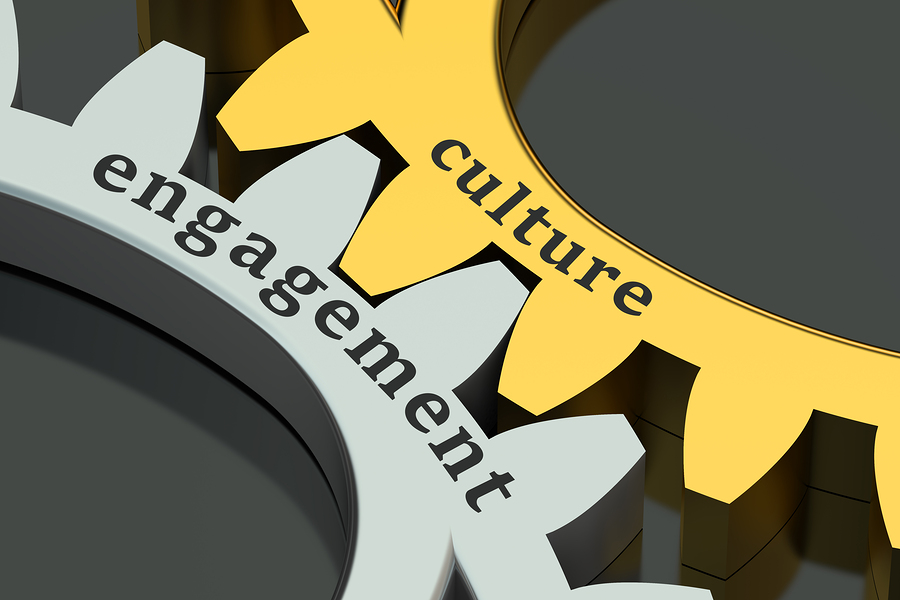
culture engagement concept isolated on black background
Big Stock Photo

In business it’s referred to today as Corporate Culture. What we know about it is that we create the right atmosphere by establishing expectations, treating employees well, and promoting cooperation then we get better, more consistent productivity results. People share resources and credit, there is less negative conflict, and employees are more likely to “go the extra mile” for the team.

The Diva, however, can throw a monkey wrench into all of that. While they produce big, they often do it at the expense of others. They place themselves first above the team and even above the organization. They alienate others, insist on extra accommodations, hog resources to themselves, and demand on being a priority over others.

When leaders support this behavior, either through explicit endorsement or simply inaction, they create resentment for management as well. Morale sinks lower, productivity of other contributors drops off, and the culture we tried to develop fades quickly back into the decaying mess we likely started with.

As many sports managers learned, sometimes you have to draw the line for the good of the team overall. Sometimes what the Diva produces isn’t worth everything else they produce as well.

This is where you can Boldly Lead. Boldness doesn’t require being confrontational, but necessitates the willingness to take actions that may have short-term loss for longer term gain. To create a culture of employee engagement, we don’t just add things that create a better environment but also remove things that can become barriers.

[tweetthis]To create a culture of engagement, know when to remove things that can become barriers.[/tweetthis]

Keeping the high-producing Diva may have good or even great short-term results, but the long-terms costs make it a poor investment for an organization. Ultimately, productivity will drop and turnover will increase.

You could try counseling the Diva, but there’s not a lot of track record of success with that. While they may (temporarily) curb some behaviors, they still have the mindset that created the problems to begin with. Separating them from the organization is ultimately the only solution here. You will probably be surprised at the sighs of relief you hear when it happens.

When Epstein removed Zambrano from the picture the Cubs didn’t win the World Series that year, but their wins did increase substantially and they made the playoffs the next year. Just four years after they broke a 108 year drought and won the World Series.

What’s keeping you from your big win?

How do you deal with the Diva in your organization? What has been the results? Share your thoughts here or email me at psimkins@boldlylead.com.